
From Hydropower Villages to Solar Islands: Exploring the Path to Inclusive Clean Cooking in Malawi
Written by Dr Serena Saligari with contributions from Dr Chrispin Gogoda
In this article, Dr Serena Saligari, Research Associate on the JustGESI project, shares her reflections and insights from recent fieldwork in Malawi. Dr Chrispin Gogoda, a member of the JustGESI team, also contributed to this piece. The article was originally published on the Transforming Energy Access Learning Partnership (TEA-LP) website.
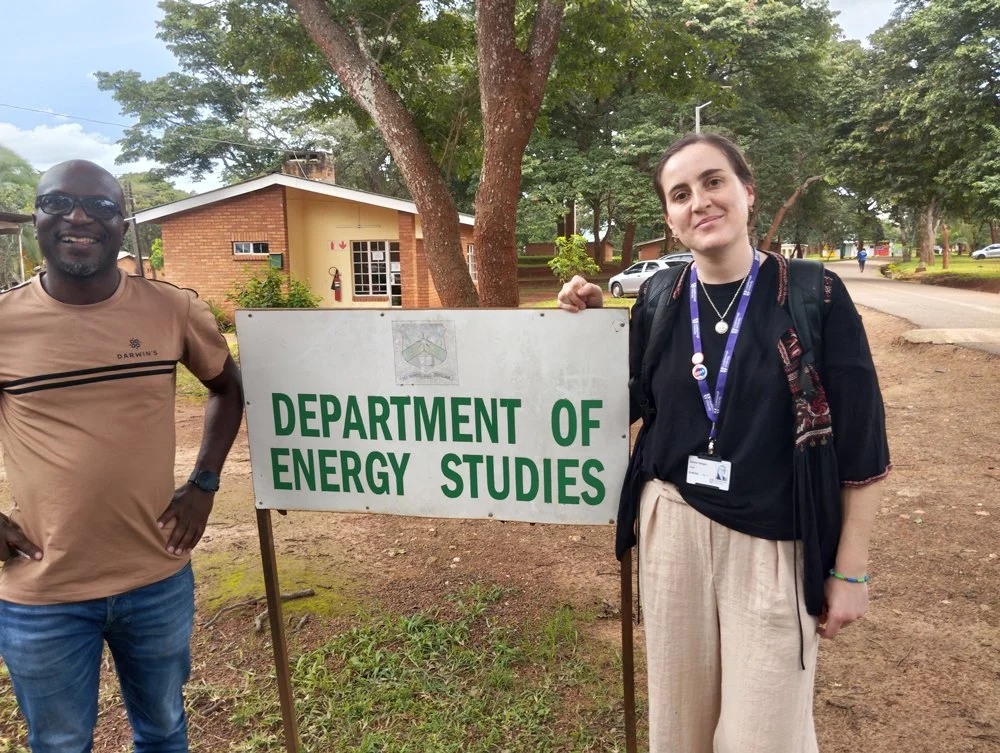
Dr Chrispin Gogoda and Dr Serena Saligari at Mzuzu University. Source: Serena Saligari
After a month in Malawi, I have returned to the UK feeling inspired, reflective, and energised about the work we are doing in the country through the JustGESI project. As a Research Associate at Loughborough University, my visit was centred on collaborating with colleagues at Mzuzu University to move forward activities for Work Package 1, which focuses on understanding how gender equality and social inclusion (GESI) concerns can be better integrated into current energy policies and interventions, specifically those promoting clean cooking access.
Under the Transforming Energy Access Learning Partnership (TEA-LP), Mzuzu University has recently launched a new MSc in Renewable and Sustainable Energy Systems Engineering, including a module on “Appliances for Rural Communities”. Mzuzu University therefore provides a unique platform to pursue JustGESI’s aim of supporting the promotion of electric cooking among marginalised groups, specifically by offering innovative solutions to energy challenges and connecting academic training with practical interventions in the field. I arrived in Mzuzu to a warm welcome from Dr Chrispin Gogoda, Head of the Energy Systems Department at Mzuzu University and Co-lead of the JustGESI project, and Christopher Hara, the project’s research assistant. From the moment I arrived, it was clear my time in Malawi would be busy.
For the first two weeks I was based at Mzuzu University, whose campus is often referred to as the “home of green intellectuals”. Surrounded by trees and located at the edge of town, the campus feels deeply connected to the landscape, providing an inspiring place to think about sustainability and energy transitions. Together with Chrispin and Christopher, I spent these early days arranging interviews with key stakeholders who could help us understand the complex challenges of scaling electric cooking (eCooking) in Malawi and offer exemplars of how gender equality and social inclusion concerns are currently taken into account and integrated into initiatives to support clean cooking transitions.
During this time, we also organised and hosted an official presentation of the JustGESI project at Mzuzu University. The event was attended by members of the university’s leadership with the Director of Research, Prof Fanuel Kapute, representing the Vice Chancellor, Prof Wales Singini, as well as colleagues from the Energy Systems Department. What followed was a thoughtful and lively discussion about the urgency of ensuring that Malawi’s energy transition is not only sustainable, but also equitable. It was encouraging to see such strong engagement from academic partners who recognise how critical these issues are.
Midway through my visit, Chrispin and I travelled to Lilongwe, Malawi’s capital, to conduct the interviews arranged with national-level stakeholders. We met with representatives from the Ministry of Energy, the Ministry of Gender, and several NGOs working on electricity access, clean energy financing initiatives, and energy project implementation across the country. These discussions offered valuable insights into the institutional and operational challenges of scaling clean cooking solutions, showcasing concrete steps that have been taken to consider the needs of women and marginalized groups in energy transitions.
The final two weeks of my trip were spent travelling across Malawi to visit community projects and identify potential sites for the seed-funding initiatives planned for the second year of the JustGESI project. Each partner institution will design and implement small pilot projects aimed at promoting electric cooking while harnessing the skills and knowledge of women and marginalised groups.
Our first stop was the Chipopoma Hydropower project in Mantchewe, a small village nestled in the mountains of Rumphi District in the Northern Malawi. We were welcomed by John Sailesi, a passionate local innovator who harnessed the power of the local waterfalls to build a hydropower system to electrify the village, which was never connected to the national grid. Spending time with John and the residents of Mantchewe was truly eye-opening. Until 2018, people had to travel five kilometres to the Livingstonia Mission to charge any device. Today, the community takes pride from the fact that the locally-generated electricity supply is often more reliable than the national grid and has started to attract new businesses and residents to the village. While electricity has transformed daily life, however, most households still rely heavily on firewood and charcoal for cooking. This made Mantchewe a fascinating place to discuss the potential of electric cooking and to understand community perspectives on whether electricity could eventually replace traditional fuels in the kitchen.
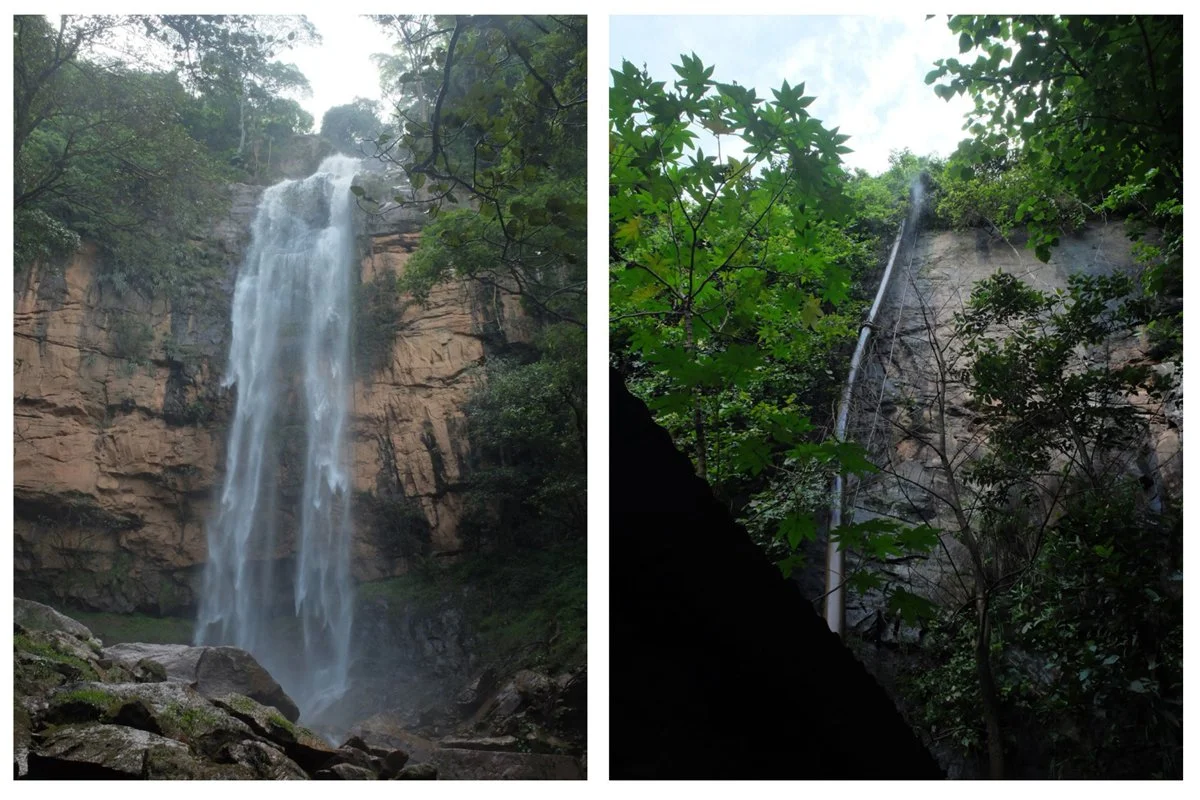
The Mantchewe waterfalls and the pipes forcing water to the turbine. Source: Serena Saligari
From the mountains, we travelled south to Zomba, once the capital of Malawi, before setting off by boat to Chisi Island on Lake Chilwa. Often described as one of the most isolated places in Malawi, Chisi Island is home to about 3,500 people and has only recently been electrified through a solar PV power plant implemented by the Ministry of Energy and the United Nations Development Programme. Solar energy was chosen as the most practical solution given the difficulty of extending the national grid across the lake. During our visit, we held a community meeting with residents to discuss how electricity changed life on the island. People spoke about the simple but meaningful pleasures electricity has brought, like being able to keep drinks cold thanks to refrigerators. Others described how electricity has reduced the need to travel to the mainland for everyday needs, whether that was accessing services, studying, or even watching football matches – a real obsession for Malawians!
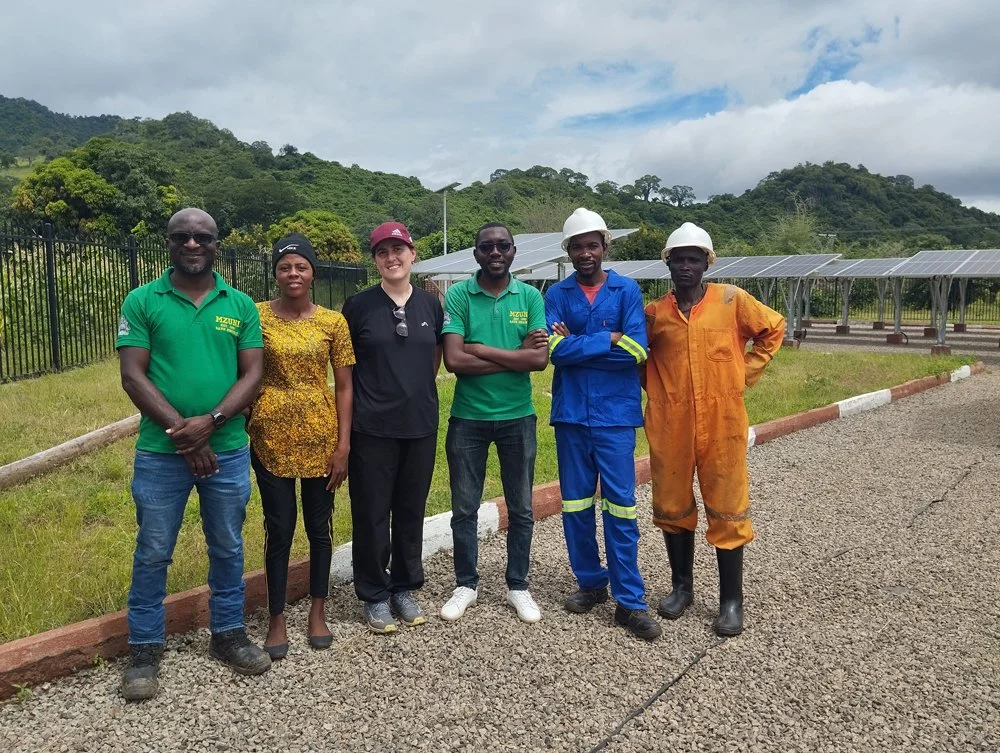
Dr Chrispin Gogoda, Dr Serena Saligari and Christopher Hara with the staff looking after the solar power plant in Chisi Island. Source: Serena Saligari
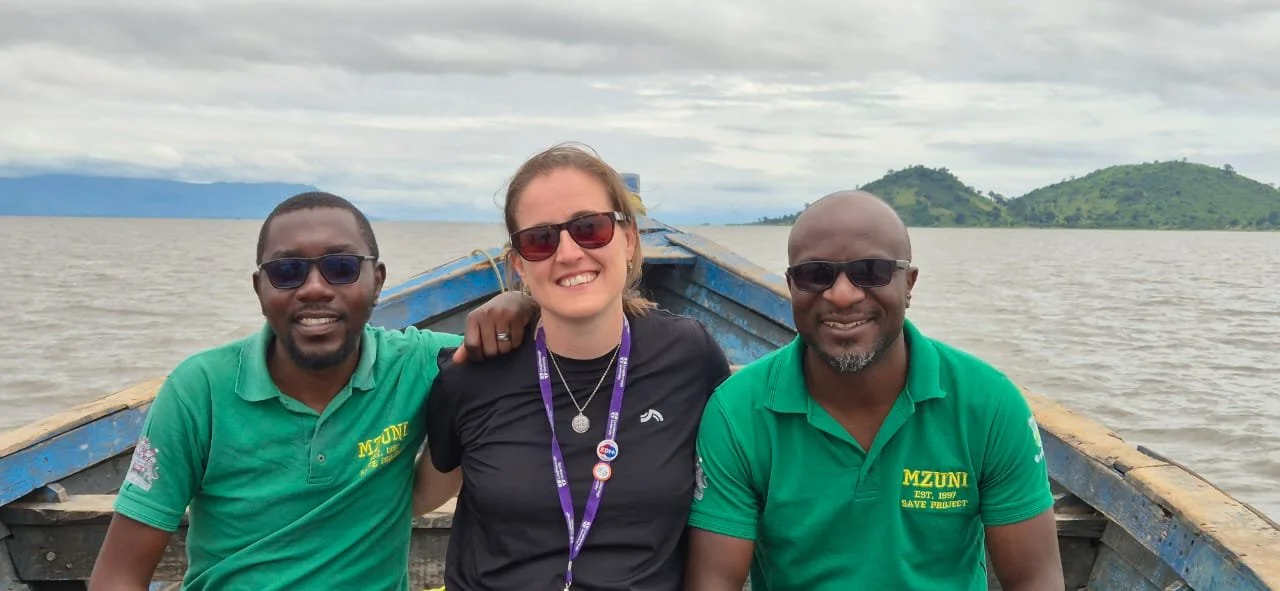
From the left: Christopher Hara, Dr Serena Saligari and Dr Chrispin Gogoda sailing off from Chisi Island, which can only be reached by boat. Source: Serena Saligari
Our final stop was Blantyre, where we visited Kachione, a small enterprise distributing home solar systems designed to power direct current electric pressure cookers. What makes Kachione particularly interesting is its business model: women’s groups are supported to open small shops in rural areas, where they are trained to install and maintain the solar systems and sell them to customers through instalment payments. The Kachione team took us to their first open shop in Lunzu area, where we saw the model in action and spoke with the women running the business, who prepared Nsima, Malawi’s staple food, for us using one of the electric pressure cookers.
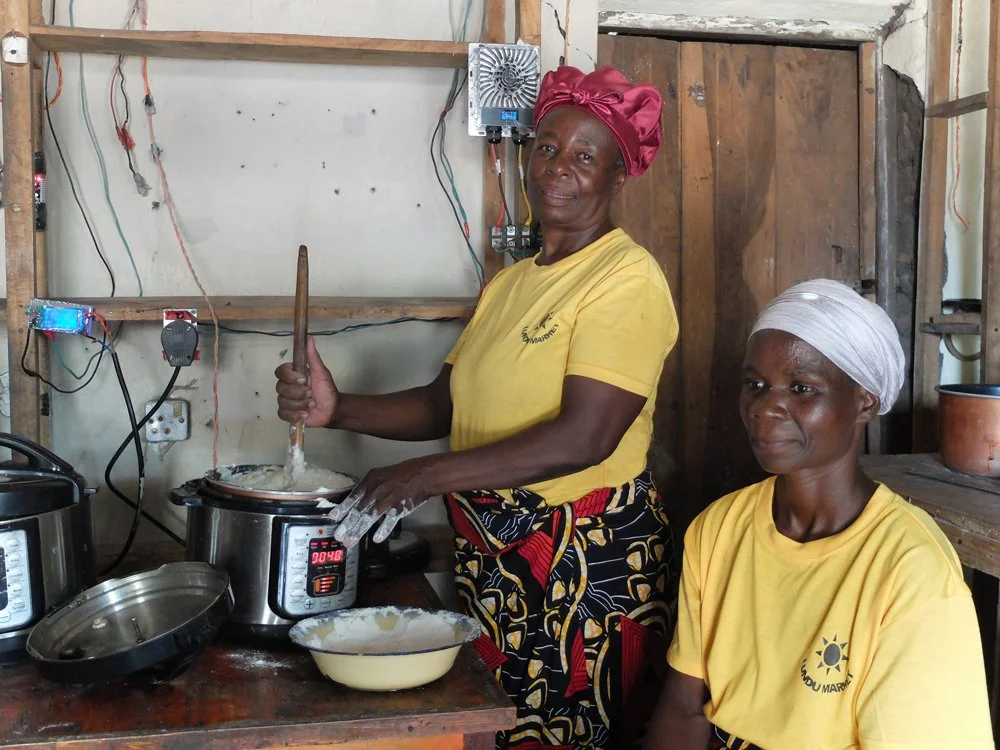
Women from one of the Kachione shops in Lunzu area making Nsima using an electric pressure cooker. Source: Serena Saligari
Travelling across Malawi, from mountain villages to lakeside islands, gave me a powerful glimpse into both the challenges and the possibilities surrounding energy access in the country. Each place we visited revealed different needs, but also remarkable ingenuity and determination among communities working to harness local resources. The trip left me deeply inspired. It reinforced how essential it is that energy transitions are shaped not only by technology and policy, but also by the voices, knowledge, and leadership of the communities who will ultimately live with the outcomes and can best guide context-appropriate solutions for just energy transitions.
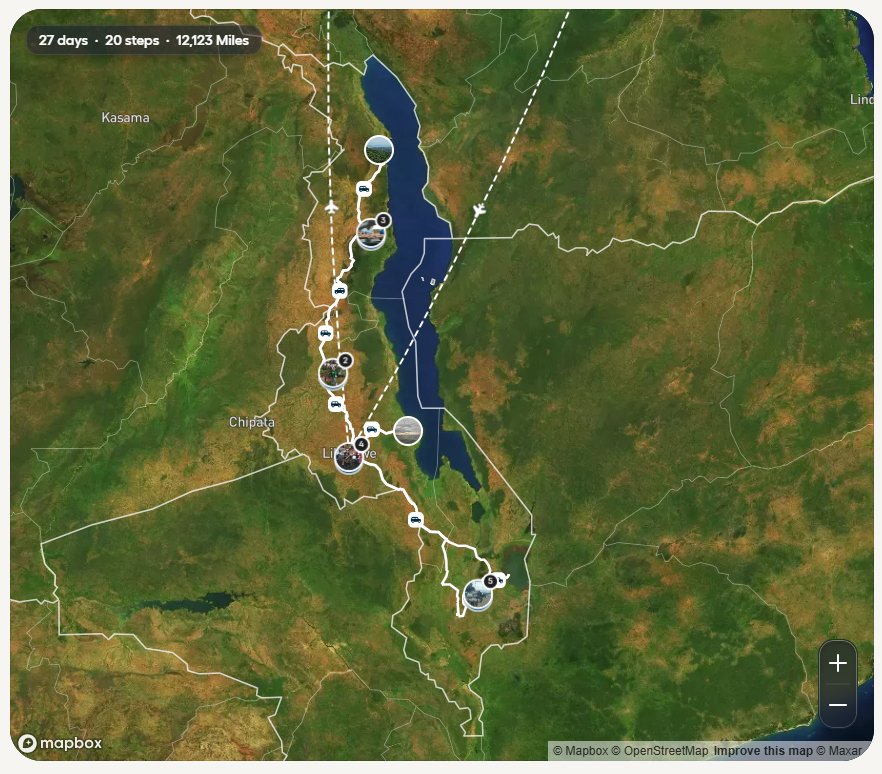
Track Dr Serena Saligari’s trip to Malawi on Polar Steps
